Grader blades are essential components in road construction, maintenance, snow removal, and land grading. While they may appear simple at first glance, these heavy-duty cutting edges are the result of a highly engineered and precise production process. Understanding how grader blades are made helps contractors, municipalities, and equipment managers appreciate the value of quality materials, consistent performance, and long service life. From raw steel selection to final inspection, grader blade manufacturing is a carefully controlled process designed to deliver durability in demanding environments.
Selecting the Right Raw Steel
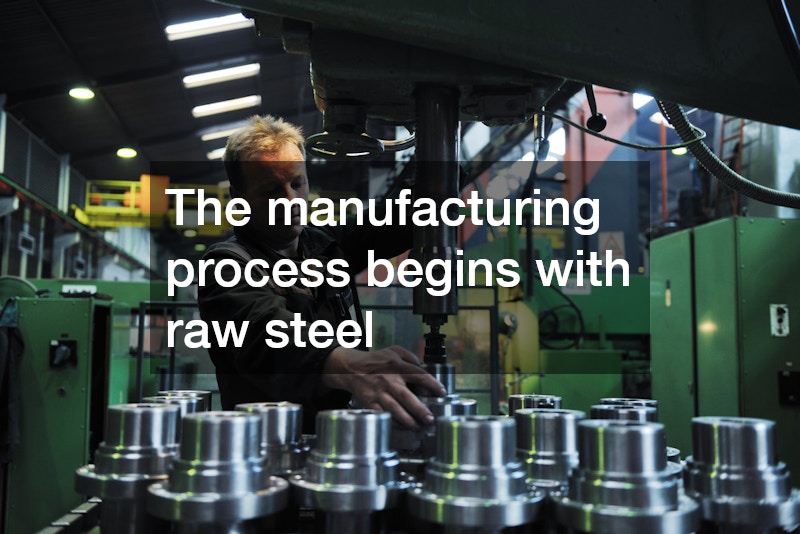
The manufacturing process begins with raw steel, which serves as the foundation for the blade’s strength and wear resistance. Steel selection is one of the most critical steps in grader blade manufacturing, as the material must withstand constant abrasion, impact, and pressure. Manufacturers typically use high-carbon steel, boron steel, or alloy steel, depending on the blade’s intended application.
High-carbon steel is valued for its hardness and wear resistance, making it suitable for standard grading applications. Boron steel, on the other hand, offers enhanced toughness and improved resistance to cracking, which is ideal for severe-duty or high-impact conditions. The chosen steel is sourced in large plates or slabs and must meet strict chemical composition and quality standards before entering production.
Cutting Steel to Precise Dimensions
Once the steel is approved, it is cut into blanks that match the required blade dimensions. Precision cutting is essential, as even minor inconsistencies can affect blade fitment and performance in the field. Modern grader blade manufacturing facilities often use CNC plasma cutting, laser cutting, or waterjet cutting to achieve clean edges and accurate measurements.
These automated cutting methods allow manufacturers to produce blades with consistent lengths, widths, and thicknesses. Precision at this stage ensures the blade will mount correctly on the grader moldboard and distribute force evenly during operation, reducing premature wear and equipment stress.
Shaping and Forming the Blade
After cutting, the steel blanks are shaped to meet specific design requirements. Some grader blades require bevels, curves, or edge profiles that improve cutting efficiency and material flow. This shaping process may involve press braking, rolling, or machining, depending on the blade style and application.
Edge geometry plays a major role in blade performance. A properly engineered cutting edge allows the grader to penetrate surfaces more efficiently while minimizing resistance. In grader blade manufacturing, manufacturers carefully design these profiles to balance sharpness with durability, ensuring the blade performs well without chipping or deforming under load.
Heat Treatment for Strength and Durability
Heat treatment is one of the most important steps in the grader blade manufacturing process. During heat treatment, blades are heated to specific temperatures and then cooled at controlled rates to alter the steel’s internal structure. This process enhances hardness, toughness, and resistance to wear.
Manufacturers must strike the right balance during heat treatment. A blade that is too hard may crack or become brittle, while a blade that is too soft will wear down quickly. Advanced heat-treatment techniques allow manufacturers to create blades that are hard at the cutting edge while maintaining flexibility throughout the body, resulting in longer service life and consistent performance.
Drilling and Punching Mounting Holes
Accurate mounting holes are essential for proper blade installation and operation. After heat treatment, blades move to drilling or punching stations where bolt holes and slots are created. These holes must align perfectly with grader specifications to ensure secure mounting and even load distribution.
In grader blade manufacturing, precise hole placement reduces vibration, prevents uneven wear, and minimizes the risk of blade failure. CNC-controlled drilling and punching equipment ensures that each blade meets exact tolerances, whether it is produced for OEM equipment or aftermarket replacement.
Surface Finishing and Protective Coatings
Once the blade is formed and drilled, it undergoes surface finishing to remove burrs, sharp edges, and surface imperfections. Grinding and polishing processes help improve both appearance and safety while preparing the blade for coating.
Many manufacturers apply protective finishes or coatings to enhance corrosion resistance and extend shelf life. These coatings help protect the blade during storage and transportation, especially in environments exposed to moisture or harsh weather conditions. While the coating may wear off during use, it plays an important role in preserving blade quality before installation.
Quality Control and Inspection
Quality control is a critical component of grader blade manufacturing. Before a blade is approved for shipment, it undergoes multiple inspections to verify dimensions, hardness, hole alignment, and overall structural integrity. Manufacturers may use hardness testing, visual inspections, and dimensional checks to ensure consistency across production runs.
This attention to detail helps prevent defects that could lead to premature failure or poor performance in the field. Consistent quality control ensures that every blade meets the same high standards, whether a customer orders one blade or a full truckload.
Packaging and Distribution
After passing inspection, grader blades are packaged for shipment. Proper packaging prevents damage during transportation and ensures the blades arrive ready for installation. Manufacturers often bundle blades with protective spacers or coatings to prevent contact damage and corrosion.
Efficient logistics and inventory management play an important role in delivering blades on time to dealers, contractors, and municipalities. Reliable distribution is the final step in grader blade manufacturing, connecting the production process to real-world applications.
Why Manufacturing Quality Matters
Every step in the manufacturing process directly impacts blade performance, longevity, and cost-effectiveness. High-quality grader blade manufacturing results in blades that last longer, perform more consistently, and reduce downtime for equipment operators. Investing in well-manufactured blades can lead to lower replacement costs, improved grading results, and increased productivity on the jobsite.
By understanding how grader blades are manufactured—from raw steel to finished product—buyers can make more informed decisions and recognize the value of precision engineering and quality craftsmanship. In demanding applications where performance matters, the manufacturing process makes all the difference.