A reliable water heater is essential for everyday tasks such as bathing, washing dishes, and doing laundry. Like other major household appliances, however, a water heater can develop problems as it ages. Recognizing the warning signs early can help homeowners address minor issues before they become major failures. Prompt attention may also help prevent water damage, energy waste, and an unexpected loss of hot water. Knowing when to schedule water heater repairs can make it easier to keep the system operating safely and efficiently.
What Are the Common Signs Indicating a Water Heater Failure?
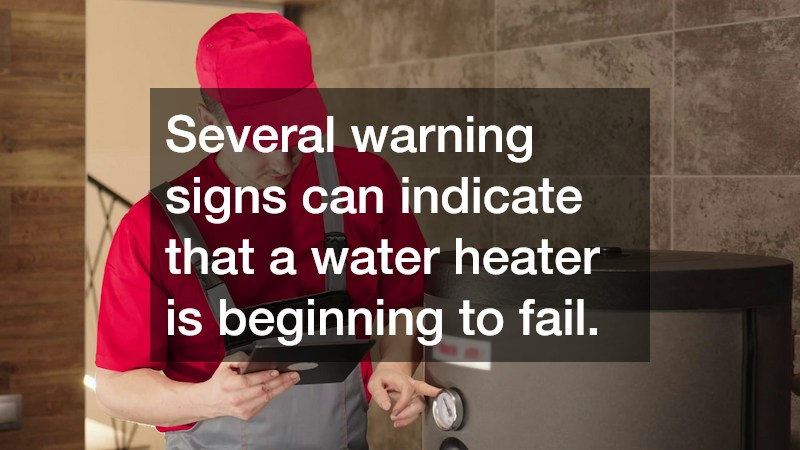
Several warning signs can indicate that a water heater is beginning to fail. One of the most noticeable is inconsistent water temperature.
If the water becomes cold unexpectedly, takes longer than usual to heat, or fluctuates between hot and cold, there could be a problem with the heating components or thermostat.
Unusual noises are another common warning sign. Rumbling, popping, banging, or crackling sounds can indicate sediment accumulation inside the tank. Homeowners should also pay attention to rusty or discolored hot water, which can indicate corrosion inside the tank or problems with the plumbing connections.
Water around the base of the heater should never be ignored. While some leaks come from fittings, valves, or connections that may be repairable, water coming directly from the tank can indicate internal corrosion or a failing tank. These symptoms warrant prompt attention before the problem worsens.
Why Is My Water Heater Making Strange Noises?
A water heater may make occasional sounds during normal operation, but persistent or increasingly loud noises can indicate a problem. In traditional tank-style units, sediment can settle at the bottom of the tank over time. When the burner or heating element warms the water beneath this layer, trapped water can produce popping or rumbling sounds as it escapes through the sediment.
This buildup can make the system work harder to heat water, potentially reducing efficiency and increasing operating costs. In severe cases, excessive sediment can contribute to overheating and damage to the tank.
Other noises may have different causes, including heating-element issues, pressure problems, or loose components. Because the source is not always obvious, unusual sounds should be evaluated rather than dismissed as normal aging.
How Does Sediment Buildup Affect My Water Heater?
Minerals naturally present in household water can accumulate inside a tank over time. This sediment can form an insulating layer between the water and the heating surface, forcing the system to operate longer to achieve the desired temperature.
As sediment increases, homeowners may notice slower heating, reduced hot water capacity, and unusual operating noises. Heavy accumulation can also place additional stress on heating components and contribute to premature wear.
Regular maintenance can help limit these problems. Depending on the type and age of the unit and the home’s water conditions, flushing the tank may help remove accumulated sediment. Professional maintenance can also identify developing issues that may otherwise go unnoticed.
How Often Should I Replace My Water Heater?
The service life of a water heater depends on its type, installation, maintenance history, water quality, and usage. Traditional tank water heaters commonly provide many years of service, but performance can decline as the unit gets older.
Age alone does not necessarily mean replacement is immediately necessary. However, frequent breakdowns, declining performance, visible corrosion, and repeated repair needs can indicate that continued maintenance may no longer be economical. If an older unit requires an expensive component replacement, comparing the repair cost with the price and expected service life of a new system can help homeowners make an informed decision.
Replacing an aging unit before a catastrophic failure can also reduce the risk of an emergency involving extensive water damage.
Is a Leaking Water Heater Fixable, or Does It Need Replacement?
Not every water heater leak means the entire unit must be replaced. Leaks around inlet and outlet connections, valves, or other external components may sometimes be corrected by tightening, replacing, or repairing the affected part.
A leak from the tank itself is a more serious concern. Once corrosion has compromised the tank, there generally is not a dependable repair that restores the tank’s structural integrity. Replacement is typically necessary in that situation.
Because water heaters can release a substantial amount of water when they fail, even a small leak deserves prompt investigation. Scheduling water heater repairs at the first indication of a problem may prevent a minor issue from developing into a larger plumbing emergency.
Recognizing changes in water temperature, unusual noises, sediment-related problems, corrosion, and leaks can help homeowners identify water heater trouble early. Regular maintenance may extend equipment life, while timely repairs can address problems before they cause greater damage. When an older unit develops repeated or serious problems, replacement may make more sense than continued repairs. Paying attention to these warning signs and arranging professional water heater repairs when necessary can help maintain a dependable supply of hot water while reducing the likelihood of unexpected system failure.