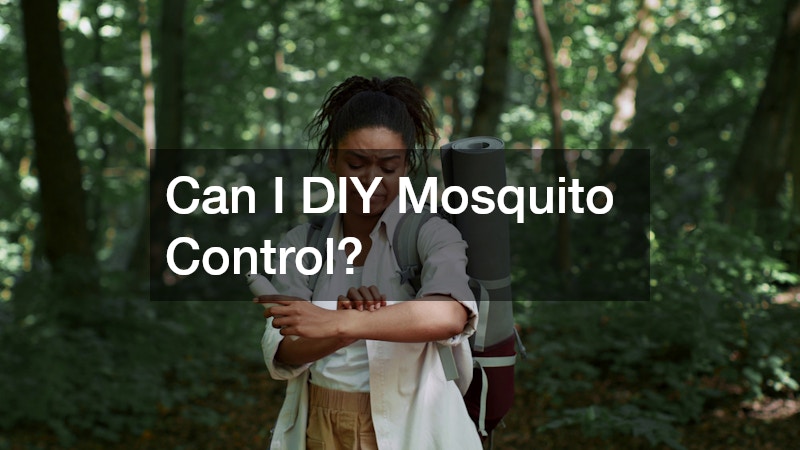
Mosquitoes are not just a mere annoyance, but they are also vectors of serious diseases such as malaria, dengue fever, and Zika virus. Traditionally, mosquito control has been left to professional services, but there is a growing interest in whether individuals can effectively manage mosquito populations in their own backyards. This raises the question: Can you do it yourself when it comes to mosquito control? The good news is that with the right techniques, some patience, and a commitment to regular maintenance, DIY mosquito control can be a viable option.
Let’s explore various strategies and considerations for managing these pesky insects on your own.
1. What are the most effective DIY mosquito control methods?
One of the most popular DIY mosquito control methods is to focus on eliminating standing water, as this is where mosquitoes breed. Ensuring that your gutters are free of debris and that any puddles or stagnant water around your home are drained can significantly reduce mosquito numbers. Another effective strategy is to use mosquito-repellent plants such as lavender, citronella, and marigolds. These plants release natural oils and aromas that can deter mosquitoes and add beauty to your garden. Additionally, setting up fans in outdoor areas can scatter mosquitoes, as they are weak flyers and struggle to navigate against strong air currents.
DIY traps can also aid in controlling mosquito populations. Homemade traps using a simple mix of sugar, yeast, and water can attract and capture mosquitoes effectively. For those looking at a more natural approach, a garlic spray made from garlic oil and water can be applied to plants and outdoor surfaces to repel mosquitoes. Another widely recommended method involves using coffee grounds in stagnant pools of water, which can prevent mosquito larvae from developing. All of these methods can be implemented with minimal cost, making them attractive options for budget-conscious homeowners.
It’s important to note that timing and consistency are key to effective DIY mosquito control. Regular application of natural repellents and checking areas for new breeding grounds weekly can provide real results. In addition to outdoor measures, using screens on windows and doors and installing mosquito nets over beds can offer protection indoors. Combining these methods with manual efforts such as using bug zappers or electric swatters can further enhance the effectiveness of your DIY strategy. Remember, a comprehensive plan addressing both prevention and active control will yield the best results.
2. How can I prevent mosquitoes from breeding in my yard?
Prevention is a crucial component of mosquito control, and the first step is to understand the mosquito lifecycle. Mosquitoes lay their eggs in stagnant water, so eliminating standing water sources is critical. Regularly check for clogged gutters, discarded tires, flower pot saucers, and other objects that can accumulate water. Make it a habit to change the water in pet dishes and bird baths every few days to prevent mosquito larvae from developing. Implementing these routine checks can help nip mosquito breeding in the bud before it becomes a more significant issue.
In addition to removing water sources, enhancing water drainage can help keep your yard dry and inhospitable to mosquitoes. If you have a pond or water feature, consider adding aerating equipment to keep the water moving. Creating a slope in your yard ensures that water drains away rather than pooling in low spots. Landscaping choices such as planting thirsty grasses or vegetation can help absorb excess moisture. These adjustments, while possibly requiring initial effort, can pay off significantly in reducing mosquito breeding opportunities.
Finally, consider the use of larvicides in areas where standing water cannot be eliminated. Products such as mosquito dunks release bacteria that specifically target and kill mosquito larvae without harming other wildlife or aquatic plants. Applying larvicides requires precision and should be done according to manufacturers’ instructions to be effective. Monitoring and adjusting your approach as environmental conditions change will ensure long-term prevention success. Consistency in these efforts will not only reduce mosquito populations but also create a healthier, more enjoyable outdoor environment.
3. Are there any natural predators that can help control mosquitoes?
Leveraging natural predators is an environmentally friendly approach to mosquito control. Bats, for example, can be highly effective; a single bat can consume hundreds of mosquitoes in an hour. Installing bat houses in your yard can attract these nocturnal creatures without much maintenance. Similarly, birds such as swallows and purple martins are voracious mosquito eaters. Encouraging their presence by providing feeders and nesting boxes can help control your mosquito population during daylight hours.
Moreover, aquatic life plays a vital role in managing mosquito larvae populations. Fish such as mosquito fish and koi can consume large quantities of larvae, thus reducing the chance of mosquito development. If you have a pond or water garden, introducing these fish can be an effective long-term strategy. Additionally, dragonflies and their larvae are natural predators of mosquitoes, and fostering an environment that attracts dragonflies can further diminish mosquito numbers. Incorporating water plants like water lilies can encourage dragonflies to lay eggs in your pond.
To attract these helpful creatures, it’s important to avoid using wide-spectrum insecticides that can harm them. By fostering a diverse ecosystem, natural balances can be achieved with minimal intervention. This not only maintains a healthier yard but also supports local biodiversity. By aligning your mosquito control methods with the natural food chain, you can establish a sustainable solution that requires less ongoing input and intervention. Allowing nature to play its role can be a powerful ally in your mosquito management efforts.
4. What are the common mistakes in DIY mosquito control?
One frequent mistake is underestimating the importance of early intervention. Waiting until mosquitoes are numerous before taking action can allow populations to grow to unmanageable levels. Timely preventive measures, such as draining water and maintaining barriers, can keep a potential problem from becoming significant. Additionally, relying on a single control method limits effectiveness; a combination of different strategies is typically more successful. A diversified approach ensures that mosquitoes are tackled from multiple angles, reducing the chance they will adapt or find a way around your efforts.
Another common error involves the misuse or over-reliance on chemical solutions. While chemical repellents and pesticides can be part of an overall strategy, overuse can lead to resistance in mosquito populations and potential harm to beneficial insects. It’s crucial to follow all safety guidelines when using any chemical treatment. Some mistakenly overlook natural methods or less conventional solutions like employing fans or adjusting landscaping, which can lead to incomplete measures. Investigating a range of options ensures that you have a comprehensive plan tailored to your specific environment.
Finally, inconsistency in application can undermine a DIY mosquito control plan. Just like any preventive health strategy, mosquito control requires routine effort and attention. Homeowners may start with enthusiasm but then become lax about checking breeding sites or applying repellents regularly. Establishing a regular schedule can keep efforts in check and build habits that contribute to longer-term success. Maintaining vigilance, especially in peak mosquito seasons, ensures continuity in keeping these pests at bay.
5. How can technology aid DIY mosquito control?
Modern technology is proving to be a game-changer in the realm of mosquito control. One of the more intriguing advancements is the use of smart traps that can electronically monitor mosquito activity and adjust accordingly. These smart traps can use heat, light, and carbon dioxide, mimicking human presence, to lure and capture mosquitoes. They offer real-time data and can be paired with smartphone applications for easy monitoring and control. This technology provides valuable insights into mosquito behavior and helps homeowners strategize their control measures more effectively.
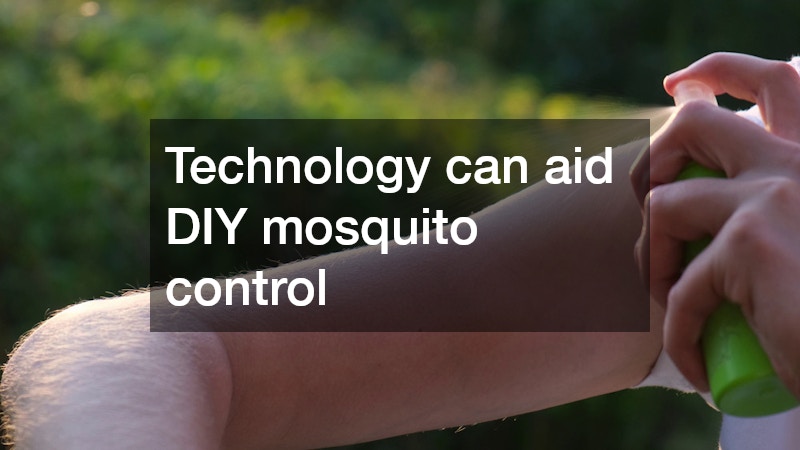
Additionally, mosquito repellent wearables and devices provide personal protection by emitting frequencies that deter mosquitoes. Wearable repellents are practical for those spending extensive time outdoors, as they can keep mosquitoes at bay for several hours. Furthermore, advancements in home automation allow integration of control systems that can automatically activate traps or sprays at optimal times. IoT (Internet of Things) integration with smart landscapes offers sophisticated control over your outdoor environment. These tech solutions help in creating a safer and more comfortable yard without ongoing manual input.
Finally, aerial drone technology is emerging as a tool in mosquito management. Although more commonly used in large-scale operations, drones can be adapted for individual use to survey and treat areas that are hard to reach manually. Drones equipped with thermal imaging can identify breeding hotspots and apply targeted measures effectively. Embracing these technological aids can make DIY mosquito control more efficient and user-friendly. As technology continues to evolve, homeowners can expect even more options and enhancements to make mosquito control simpler and more effective.
DIY mosquito control can be an effective strategy when approached with diligence and accurate information. By utilizing a combination of preventive measures, natural predators, technology, and varied control methods, homeowners can manage mosquito populations effectively. Educating yourself about these approaches and staying vigilant in execution helps in creating a significant impact on your immediate environment, providing a more enjoyable outdoor experience. While challenges exist, the empowerment that comes from self-managed solutions can contribute greatly toward reducing our reliance on professional services. Overall, an informed and dedicated DIY approach can keep mosquitoes at bay in a manner that is sustainable, environmentally conscious, and cost-effective.